





Software Code Audit Services
Uncover hidden flaws before they become costly nightmares
- Is your software underperforming?
- Do you feel like its technical debt could complicate M&A?
- Are you sure your software can handle scalability?
When You Need a Code Audit
A code audit isn't just a formality — it's how you catch design flaws, script errors, and structural problems before they turn into costly outages or security incidents. They can
also cut ongoing maintenance costs, close off cyber risk, and free IT infrastructure and developer time that's being wasted on inefficient code. In short, a software code audit service builds the foundation for faster, safer development.
Here's when businesses typically turn to a code audit:
When switching development teams
to give the incoming team (in-house or outsourced) a clear, objective picture of the existing codebase, its quality, and any hidden risks before they take over.
During mergers and acquisitions
to give investors and stakeholders due diligence into the codebase's technical health, risks, and true value before the deal closes.
Before releasing a new product
to confirm the application is stable, secure, and production-ready ahead of launch.
When facing performance bottlenecks
to reveal inefficient logic, scalability limits, and the root causes of slowdowns.
When addressing security risks
to identify vulnerabilities and weak data-handling practices, like exposure to SQL injection, cross-site scripting, or CSRF attacks.
When preparing for product growth
to confirm your architecture and code can handle increased load before you scale.
When experiencing high maintenance costs
to surface legacy code, redundant logic, and poor design decisions that are slowing your team down.
When meeting regulatory requirements
to verify your software meets standards like GDPR, HIPAA, or PCI DSS.
When dealing with integration and API issues
to uncover inconsistencies and data flow problems blocking systems from working together smoothly.
When planning a data migration
to assess data structures, dependencies, and migration risks ahead of the move.
If any of these sound familiar, it's worth booking a technical code audit consultation to scope out what your system actually needs.
DevCom’s Code Audit Services
Identify opportunities for improvement and safeguard your software system against potential vulnerabilities — that’s our goal at DevCom.
Here’s what our code audit consultants do to achieve that.

Independent Code Review
This service involves a thorough examination of your software’s source code by an independent development team. It focuses on:
- Identifying coding errors
- Uncovering hidden security gaps
- Pinpointing optimization issues
- Ensuring adherence to best practices and core code standards

Third-Party Code Review
Does your software’s integrity and performance rely on third-party tools? For corporate software customers, we highly recommend running a comprehensive integration audit. This ensures all third-party integrations are secure, efficient, and reliable, minimizing the risk of compatibility issues or security vulnerabilities.

Software Architecture Evaluation
Our solution architects can evaluate the structural design of your software. This includes testing the system's architecture for scalability, performance, and robustness.
The goal is to ensure the architecture supports current and future business needs while allowing for easy updates of product features and expansions. They also aim to improve poor system architecture.

Code Security Check
We will review your code, libraries, third-party services, and more to determine potential weaknesses in the system, which automated tools like OWASP ZAP miss.
We will find and address security gaps in code, weak protection of passwords and API keys, and other sensitive data like poor data handling practices. We can also perform a DevSecOps pipeline review.

UI and UX Design Effectiveness Audit
The UI and UX audit examines the user interface code and design. We evaluate aspects like browser compatibility, CSS approach, JavaScript library usage, responsive design approach, and performance.
AI Code Audit & Validation
We audit software built with tools like Claude Code, GitHub Copilot, Lovable, Codex, Cursor, Google Antigravity, and more. Our goal is to uncover hidden technical debt, security issues, architectural weaknesses, and production-readiness gaps so you understand the true state of your codebase. When auditing AI-generated software, we look beyond whether the code works — we assess whether the project is technically sound, maintainable, and safe to build on. What we check:
Architecture and maintainability
whether the AI codebase follows clear patterns, separates concerns properly, and can be extended safely.
Hidden technical debt
shortcuts, duplicated logic, and inconsistent patterns that AI tools tend to introduce across a codebase.
Security and access control risks
exposed secrets, weak authentication, and missing permission checks in AI-generated endpoints.
Testing and failure handling
whether the code has meaningful test coverage and handles errors and edge cases gracefully.
Performance & scalability bottlenecks
inefficient queries, unoptimized logic, or architecture choices that won't hold up under real usage.
Custom Code Audit Options
At DevCom, we divide a code audit into three stages.
Static audit
We review the current software artifacts (source code, documentation, project management system, etc.) to identify areas for improvement across ten categories. These include project structure, documentation, security, and more.
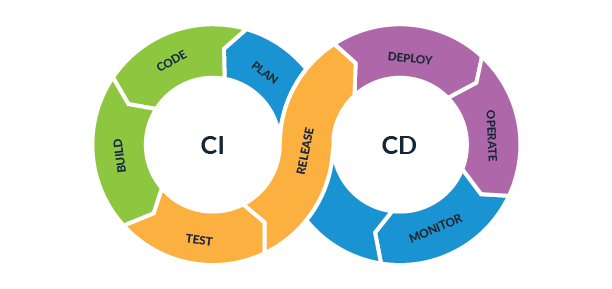
Furthermore, we offer a set of additional services, like examining the project management process or the CI/CD pipeline.
Dynamic audit
In the second stage, we combine the findings from our static code analysis report with our observations during team reviews and regular meetings. We also examine the Scrum process and overall communication.
At this stage, we really go deep into reviewing the software or system and prepare our conclusion and recommendations.
Implementation
In the final stage, we either implement the recommended changes or provide long-term support while your team makes the improvements.
DevCom’s Code Audit Process

Code Audit Inquiry
Start your code audit process with a simple inquiry to discuss what you need and hope to achieve.
MNDA Signing
Before moving forward, we’ll sign a mutual non-disclosure agreement (MNDA) to protect your sensitive information.
Introductory Interview
We’ll have an initial interview to ensure the audit aligns with your system goals and requirements.
Accessing the Code Repository
You’ll provide access to your code repository so we can start reviewing your code.
Source Code Analysis
Your code will go through a detailed analysis using a wide range of tools to examine every aspect thoroughly.
Code Audit Report
In the end, you’ll receive a comprehensive quality report that outlines our findings and suggestions for improving the code based on the best software development practices.
What You Get from a Code Audit
A detailed audit report
covering everything our team found during the static and dynamic review stages.
A list of vulnerabilities
ranked by severity so your team knows what to fix first.
Key concerns and code smells
structural issues, anti-patterns, and quick fixes that are quietly costing you performance or maintainability.
A score-based audit checklist
giving you a high-level view of code quality across critical areas.
A RAG (Red–Amber–Green) rating
that visually flags which issues need immediate attention versus which are under control.
Architecture and dependency diagrams
showing how the system is structured and where key risks live.
Test coverage reporting
showing how well your system is protected against defects and regressions.
Recommendations and a roadmap
a prioritized action plan with next steps, timelines, and priorities your team can actually implement.
Code Audit Pricing & Engagement Options
| Code audit options | What it includes | Time | Cost |
|---|---|---|---|
| Automated audit | Uses automated tools to review source code, coding standards adherence, delivery artifacts, dependencies, and architecture | Scoped to a variety of technologies, frameworks, complexity, and goals | $1,000–$5,000 |
| Static audit | Reviews source code, coding standards adherence, delivery artifacts, dependencies, CI/CD pipelines, workflows, architecture, live strategy, and documentation | Scoped to a variety of technologies, frameworks, complexity, and goals | $5,000–$8,000 |
| Dynamic audit | Tests system behavior under input, including performance under different usage scenarios and loads, as well as security controls | Depends on the system size, team, and static audit results | $8,000–$13,000 |
| Implementation | Applies refactoring based on the audit reports, eliminates the root cause of issues, and optimizes codebases according to set standards | Custom | Custom rate |
| Full audit package | Combines static and dynamic audits with the implementation stage | Custom | Custom rate |
As a source code audit company, DevCom scopes every engagement individually rather than quoting a flat rate, because the cost of code audit services can vary significantly between a small startup codebase and a large enterprise system with years of legacy code. The exact cost depends on your codebase size, technology stack, number of integrations, compliance requirements, and urgency.



Clients Trust Us
DevCom’s technical code audit services will transform your software, and we’ve got a list of satisfied clients to prove it.

Technology Expertise
We have expertise in everything needed for a comprehensive audit for any client, across all the technologies and tools listed below.
Web development

React

JavaScript
Angular
Vue.js

Ember.js
HTML/CSS
jQuery

Bootstrap
ExtJS

Responsive Design

PWA
































How Do You Know If Your Software Needs a Code Audit?
“Does this software really need a code review?” is one of our top FAQs. To answer that, let’s look at the questions a custom code audit can help you answer. If these are among your concerns, then yes, a code audit will be useful for your business objectives.
- How can we ensure a smooth transition during an M&A?
A code audit allows businesses to identify potential risks, technical debt, or inefficiencies that could impact the transaction. This ensures the software is an asset, not a liability.
- Is our software system scalable enough to grow?
A scalability audit assesses if the software architecture is built to scale, identifying areas that might hinder growth and suggesting structural improvements for future-proofing. For a more holistic look at your IT systems beyond the software layer, explore our technology assessment services.
- Is our codebase becoming too complex to manage?
A code audit assesses the codebase's structure and complexity, uncovering areas that can be refactored to improve its readability, modularity, and maintainability.
- Is there technical debt that we need to address?
A code audit identifies areas of technical debt, like outdated code or shortcuts taken in earlier development phases, and provides a roadmap to clean up and refactor the code.
- Are we compliant with industry regulations?
A compliance audit can tell if the system meets the necessary legal and industry-specific requirements.
- Why does our system experience performance issues or slowdowns?
A performance audit will analyze the code's efficiency and pinpoint performance bottlenecks such as inefficient algorithms, memory leaks, and poor database queries.
- How can we reduce our maintenance costs?
In addition to highlighting technical debt, outdated practices, and unmaintainable code, an independent code audit company can suggest refactoring the codebase to make it easier and cheaper to maintain.
- Does our system have hidden security flaws that could be exploited?
A security audit uncovers potential vulnerabilities and weaknesses that may not have been detected through standard testing processes.
- Why are we having trouble integrating new tools?
A code review can analyze the flexibility and architecture of the existing code base, pinpointing areas that are not well-suited for integration.
- Are we prepared for a security certification or audit?
A pre-certification code quality assurance helps identify security vulnerabilities or compliance issues that must be addressed before the official audit.
Beyond General Code Audit: Additional Services
Our expertise goes beyond general code audits. We can support you with:


Get a clear view of your codebase and its potential
Our specialists assess your system and help you plan practical improvements for long-term success.
Why Choose DevCom for Your Code Audit?

Proven expertise across real-world codebases
With over a thousand projects in our portfolio, DevCom has audited and worked with complex, production-level systems across industries, not just sample or greenfield code.

Access to senior, multi-disciplinary experts
More than 200 software engineers bring experience in architecture, security, performance, and maintainability, ensuring a comprehensive audit, not a tool-only scan.

Audit results grounded in practical remediation
We don’t just point out issues — we provide clear recommendations and a roadmap your team can realistically implement.

Scalable approach for any product stage
From early-stage products to enterprise systems, our audits adapt to your codebase size, complexity, and business goals.
1,000+
Projects Delivered
200+
Clients Worldwide
26+
Years in Business
280+
Experts
Explore Code Audits









Code Audits: FAQs
A code audit uncovers hidden bugs, security gaps, and inefficiencies in code structure. It ensures code is maintainable, delivers a good user experience, and complies with regulations or standards — saving money by reducing maintenance costs and preventing future problems.
A full engagement typically covers code quality, security, performance, scalability, and compliance review, delivered as a report with a prioritized roadmap. See "What You Get from a Code Audit" above for the complete deliverables list.
There are several situations where a code audit becomes necessary:
- Switching teams. Gives the incoming team a clear picture of the codebase and its risks.
- Mergers and acquisitions. Due diligence on the codebase before a deal closes.
- Before launching. Confirms new software or major updates work as expected.
- Performance issues. Helps identify the root cause of slowness or crashes.
- Security concerns. Exposes vulnerabilities before they can be exploited.
- Scaling or migrating. Ensures a smooth, efficient move to growth or a new platform.
- Routine maintenance. Keeps your system in shape and prevents issues over time.
- Post-incident review. Figures out what went wrong after a breach or failure — and how to prevent it in the future.
It depends on the complexity of software and the depth of audit required. After discussing your needs, we provide a custom quote for each stage (Static, Dynamic, Implementation). See the pricing breakdown above, or read our full pricing guide for more detail.
Codebase size, technology stack, number of integrations, audit depth (static vs. dynamic vs. full implementation), and compliance requirements all affect the final quote.
The timeline depends on the size and complexity of your codebase, technologies used, and audit scope. In most cases, source code audit companies perform the assessment within a period of a few days to two weeks, which includes analysis, reporting, and recommendations. At DevCom, we confirm the exact timeframe after the initial review.
Access to your code repository, relevant documentation, and — for a dynamic audit — visibility into your team's workflow, like Scrum ceremonies and CI/CD pipeline.
We sign a mutual NDA before any repository access is granted, and all engagement data is handled under strict confidentiality throughout the audit and afterward.
Yes. Our AI Code Audit & Validation service reviews AI-generated and AI-assisted code for the same risks as human-written code — insecure dependencies, weak error handling, missing test coverage, and logic that doesn't hold up under real-world conditions.
In our implementation stage, we either make the recommended changes ourselves or provide long-term support while your team implements the improvements.
Ready to elevate your software?
Our code audit experts analyze your code, identify risks, and help you strengthen your system to support stable growth.
















.svg)